
Field Notes·3 min read
Why Recognition Fails Everywhere
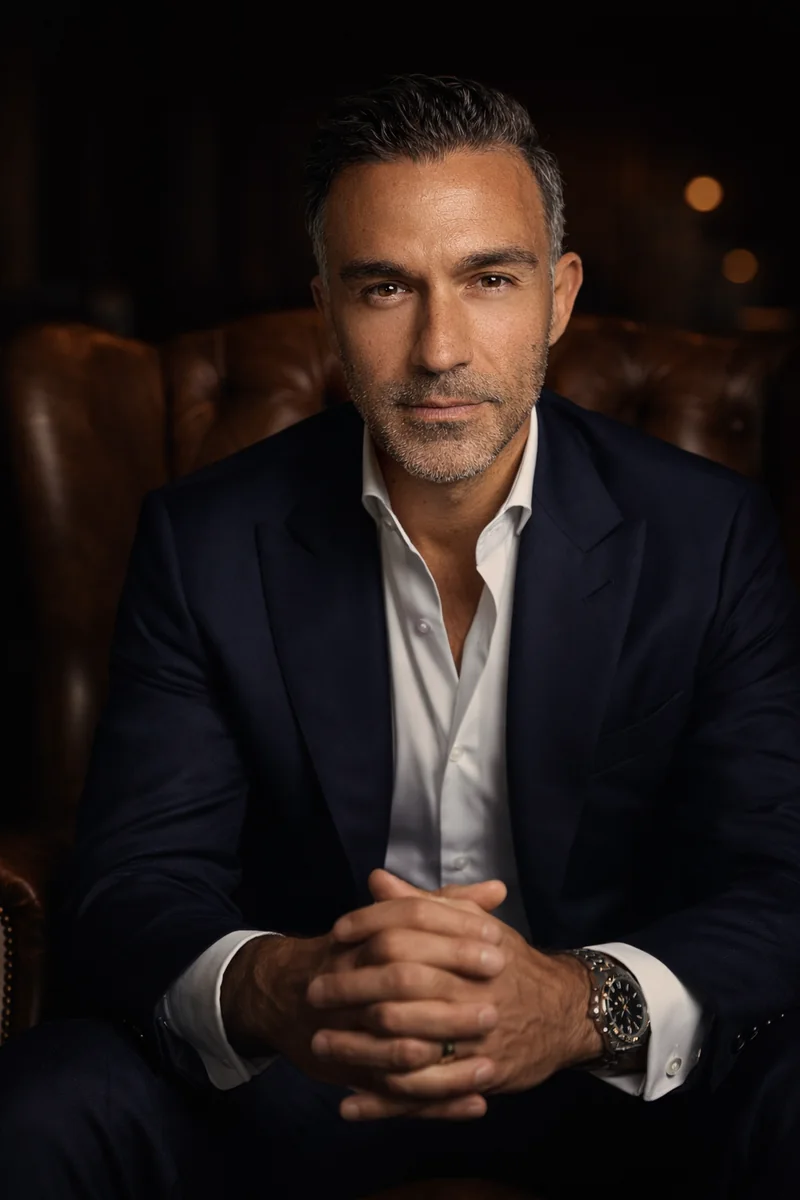 Anthony Clemenza · Founder · April 15, 2026
When you evaluate enough luxury properties, patterns surface that no single visit would reveal. Across restaurants, hotels, clubs, and resorts — across price points that all sit firmly at the top of the market — one failure recurs more than any other.
It is not food. It is not cleanliness. It is not timing. Those are usually handled.
It is recognition.
The most common break in luxury hospitality
The single most frequent critical finding we record is a failure of recognition: the returning guest greeted as a stranger, the VIP whose history never reached the floor, the preference stated last visit and forgotten by this one. It happens at properties with immaculate rooms and flawless kitchens. It happens at properties that would score beautifully on a standards checklist.
And it is the failure guests feel most personally, because recognition is the thing the luxury guest is most certain they are paying for.
Why it breaks where it does
Recognition almost never fails for lack of caring. It fails for lack of system. We see the same root causes again and again:
It lives in memory, not in process. The host who knows the regulars leaves, and the knowledge leaves with them. Nothing in the workflow carries it forward.
The data exists but never reaches the floor. The reservation system knows it is the guest's anniversary; the server does not, because no handoff moves that fact from screen to table.
It is treated as a personality trait, not a standard. "Some of our people are just great with guests" is a confession, not a strategy. Great recognition can be designed, taught, and made repeatable — most properties simply never have.
The asymmetry that makes it worth fixing
Here is what makes recognition the highest-leverage fix in luxury hospitality: the failure is cheap to cause and expensive to suffer, but the fix is cheap to build and disproportionately rewarded.
A recognition protocol — tying guest history to the reservation rather than to a person's memory, building a single handoff that carries it to the floor — costs almost nothing. The return is the moment a guest feels known, which is the moment they decide to come back and to tell someone.
We have watched properties move recognition scores from the bottom quartile to mid-pack in a single quarter, with no new hires and no new hardware — just a standard where there had been a hope. Of all the things an evaluation surfaces, this is the one we most often wish operators had measured a year earlier.
Anthony Clemenza
Founder · Trained through the Court of Master Sommeliers · Lawyer by training
Anthony has spent more than twenty-five years in these rooms, on both sides of the table. He takes the ownership work and the high-stakes visits himself. About the firm
The Measure
A letter, once a month.
One note from Anthony each month about what we keep seeing in these rooms. No offers, no roundups, and your address goes nowhere else. Leave whenever you like.